It’s time to learn all you need to know about puppy teething!

- Home/
- Health & Wellness/
- Puppy Teething: Age Chart & How to Survive Constant Chewing
Puppy Teething: Age Chart & How to Survive Constant Chewing
Published by
Mar 20, 2025
Updated Mar 20, 2025
11 min read·Updated: Mar 20, 2025

Reviewed by

Fact checked by
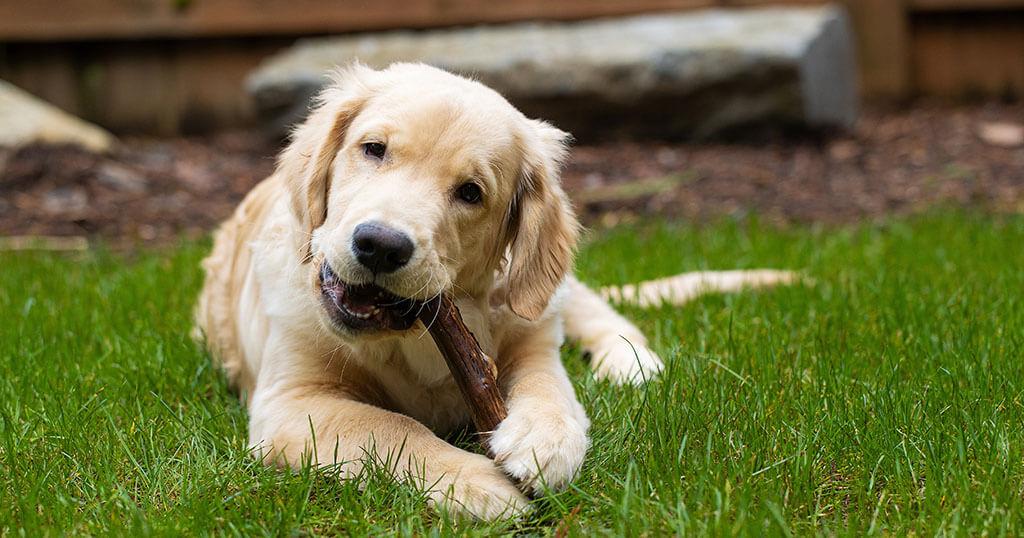
Key facts
- Puppies generally begin teething around 3 weeks of age.
- The first teeth to appear are the incisors, followed by the canine teeth, and then the “baby” premolars. Puppies have six incisors on both the upper and lower jaws.
- Teething typically lasts between 6 to 8 months, though it can vary and may last up to 1 year in some cases.
- Puppies start losing their baby teeth around 3-4 months of age, beginning with the incisors. The process of losing baby teeth and the emergence of adult teeth continues until about 4-7 months.
- By the time a puppy is eight months old, they should have around 42 adult teeth.
Just like human babies, puppies grow their teeth after birth. Unfortunately, this means teething pain and an increased desire to chew – sometimes your shoes or furniture – which can last until they’re 1 year old! This also means they’re going to need a lot of patience from you, their loving pet parent, as they won’t be able to communicate when their teeth are causing them discomfort.
Puppy Teething Timeline: An Overview
The exact time when a puppy begins to get their teeth varies between breeds, but the process usually starts when they’re around 3 weeks of age.
Take a look below at our handy puppy teething timeline:

When Do Puppies Stop Teething?
The teething process for puppies usually lasts between 6-8 months, but again, the exact timeline will vary from dog to dog and can last up to 1 year.
7 Common Signs Your Puppy Is Teething
Just like babies, puppies exhibit several signs and behaviours during the teething phase. Recognizing these signs can help you provide the proper support and care for your teething puppy. Here are some common indicators:
1. Increased Chewing and Biting
Teething puppies have an increased tendency to chew on everything in sight. This can range from toys and teething toys to household items like furniture and shoes. This behaviour is a natural response to the discomfort they feel in their gums. It can be frustrating, but encouraging them to chew on toys and redirecting their need to chew to something that isn’t destructive can help you both.
2. Drooling More Than Usual
You might notice your puppy drooling more during the teething phase. This is a natural reaction to the new teeth emerging and should not be a cause for concern unless accompanied by other worrying symptoms such as vomiting.
3. Whining or Fussiness
Teething can be uncomfortable for puppies, leading to whining or fussiness. They may seem more agitated or less patient than usual. Remember, this is just a temporary phase, and they will grow out of it.
4. Swollen, Red, Bleeding Gums
Gently checking your puppy’s mouth may reveal red or swollen gums. This inflammation is a normal part of the teething process.
Occasionally, you might notice small spots of blood on their toys or where they’re chewing. This is generally normal, as their baby teeth fall out and make way for adult teeth. However, excessive bleeding should prompt a visit to your veterinarian, or if you’re unsure, it’s always best to get them checked over.
5. Missing Teeth
As puppies lose their baby teeth, you might notice small gaps in their mouth before the adult teeth come in. It’s rare to find the actual baby teeth after they have fallen out, as puppies often swallow them.
6. Changes in Eating Habits
Some puppies may lose their appetite or exhibit difficulty eating due to gum discomfort. This is usually temporary and improves as their mouth adjusts.

Offering canned puppy food or softening their kibble with warm water may encourage teething puppies to eat more normally during this period.
Dr. Jennifer Rowan-Hitchcock, PetLab Co. Consultant
7. Rubbing Face Against Objects
To relieve gum discomfort, puppies might rub their face against furniture, the floor, or other objects.
It’s important to remember that while these signs are typical of teething, they can occasionally indicate other health issues. Consult your veterinarian if you’re ever in doubt or if the symptoms seem severe. Additionally, providing appropriate chew toys and teething aids can greatly ease your puppy’s discomfort during this developmental stage.
Puppy Teeth Vs. Adult Teeth
Understanding the differences between puppy teeth and adult teeth is crucial for pet owners. Here are the key differences between the two:
Number of Teeth:
- Puppy Teeth: Puppies typically have 28 deciduous teeth. These teeth are temporary and begin to emerge at about 3 to 4 weeks of age. By the time they are about 6 to 8 weeks old, all their puppy teeth should be in place.
- Adult Teeth: Adult dogs have 42 permanent teeth. These teeth start to replace the puppy teeth around the age of 3 to 6 months, and the process is usually complete by the time the dog is 7 months old.
Sharpness and Sensation:
- Puppy Teeth: One of the most notable differences is that puppy teeth are much sharper than adult teeth. This sharpness helps them in learning bite inhibition, as their littermates and mothers teach them how to control their biting.
- Adult Teeth: Adult teeth are less sharp and are designed more for grinding and chewing. They are stronger and more durable, meant to last a lifetime with proper care.
Shape and Structure:
- Puppy Teeth Shape: The shape of puppy teeth is distinct from adult teeth. Puppy canines, for instance, are pointed and needle-like. The incisors are small and sharp, and the premolars are less developed.
- Adult Teeth Shape: In contrast, adult teeth are more robust and varied in shape to suit different functions. Incisors are still relatively small but less sharp, canines are larger and more robust, and premolars and molars are larger and have more surface area for grinding food.
Function and Usage:
- Puppy Teeth: These teeth are primarily used for eating soft puppy food and play-biting. They are also instrumental in the weaning process, as they help the puppy transition from nursing to eating solid food.
- Adult Teeth: Adult teeth are adapted for a more complex diet. They are used for tearing meat, grinding kibble, and gnawing on bones and toys. The varied shapes and sizes of adult teeth allow dogs to effectively break down a wide range of foods.
When Do Dogs Get All Their Adult Teeth?
By the time your dog is approximately eight months old, all their baby teeth should have fallen out, and they will have up to 42 adult teeth!
Transitioning from puppy to adult teeth is a significant developmental milestone in a dog’s life. The differences in number, sharpness, shape, and function between the two types of teeth highlight the growth and dietary changes that occur as a puppy matures into adulthood. Proper dental care during both stages is essential for maintaining overall health and preventing dental issues.

How to Survive Puppy Teething: Tips for Chewing and Nipping
Your young dog will have an intense need to chew, which helps relieve the discomfort brought on by puppy teething – which can result in your dog nipping at your hands, feet, and anything they can get their mouth on!
So, to help them out and make this period more comfortable for both of you, they’ll need the right things to chew on. If you don’t want that to be your furniture, it’s time to invest!
Durable, Non-Toxic Chew Toys
Look for durable, non-toxic puppy-specific chew toys (dog toys will always be clearly labelled for what age pup they are suitable for). You must get a toy that’s age – and teething-appropriate; otherwise, the wrong toy can cause their teeth and gums damage, or they may even break the toy and swallow bits of it.
Activity Toys
There are also options for activity toys where you can place small pieces of food inside. This will satisfy their increased desire to chew and give them some needed mental stimulation as they try to figure out how to get the food out!
Safety Proof Your House
Keep valuables, wires, and anything dangerous out of your puppy’s reach. And, if your puppy starts to chew on something you don’t want them to, don’t punish them – this will only make them scared of you! Simply redirect them to an appropriate toy or dental chew. Verbally praise them when they choose the correct chew toy, as this positive reinforcement will help them choose this item again!
The desire to chew should lessen after 1 year of age. However, most dogs tend to retain the need to chew throughout their lives, so they will always require suitable toys and dental chews. It provides them pleasure, relaxes them, exercises their jaw, and helps keep their oral health and dental hygiene in check!
How to Look After Your Dog’s Teeth
Caring for your dog’s teeth is crucial for their overall health, especially during the teething phase, typically between three and seven months of age. To ensure proper dental health, regular brushing with dog-specific toothpaste and brush and suitable chew toys can help massage their gums and facilitate the teething process. It’s also essential to regularly check your puppy’s mouth for any signs of swollen gums or discomfort.
Establishing a daily dental cleaning routine from a young age is crucial. The sooner your dog is used to having either a toothbrush in their mouth or other forms of dental cleaning, it’ll make both your lives a lot easier – and will help keep their dental hygiene in check.
Puppy Teething FAQs
Should You Change Your Dog’s Diet When Teething?
While there’s typically no need for a major change, you can certainly make your puppy more comfortable during the teething phase. Offering cold, soft foods can alleviate gum discomfort — for instance, chilling their kibble or providing frozen treats. However, it is important to maintain a balanced diet suitable for their age and size.
Puppies should be able to eat dry food at around 8 weeks old once they’re fully weaned. The weaning process usually happens with the breeder, as puppies shouldn’t leave their mother until they’re completely weaned.
Are puppies born with teeth?
No, puppies are not born with teeth. Puppies are born toothless, and their deciduous (baby) teeth start to emerge at about 3 to 4 weeks of age.
Do puppies swallow their baby teeth?
Yes, it is common for puppies to swallow their baby teeth. As the baby teeth fall out to make way for the adult teeth, puppies often swallow them while eating or playing. This is normal and usually not harmful.
My puppy’s teeth are falling out and bleeding. Is that normal?
Yes, it is normal for puppies to experience some bleeding when their teeth fall out. This process, known as teething, involves the shedding of baby teeth and the emergence of adult teeth. Minor bleeding is common, but if you notice excessive bleeding or your puppy seems to be in significant pain, it’s best to consult a veterinarian.
Why are puppy teeth so sharp?
Puppy teeth are much sharper than adult teeth. This sharpness helps them learn bite inhibition, which is a crucial part of their development. The sharpness also helps puppies to transition from nursing to eating solid foods, as it encourages them to be careful with their bites.
Are ice cubes good for puppy teething?
Yes, ice cubes can be helpful for puppy teething. They provide a cool and soothing effect on the gums, helping to reduce discomfort and inflammation. However, always supervise your puppy while they chew on ice cubes to prevent choking.
Can I give my puppy a carrot for teething?
Yes, you can give your puppy a carrot for teething. Carrots are a healthy, natural option that can help soothe a puppy’s sore gums. They can also serve as a crunchy, enjoyable snack. Make sure to supervise your puppy to ensure they chew the carrot safely and don’t choke on large pieces.
What are retained puppy teeth? Do they need to be removed?
Retained puppy teeth are baby teeth that do not fall out as the adult teeth come in. This can cause dental problems, such as misalignment and crowding of the teeth, leading to discomfort and potential health issues. Retained teeth usually need to be removed by a veterinarian to prevent complications.
When should I start brushing my puppy’s teeth?
You should start brushing your puppy’s teeth as soon as their baby teeth come in, which is around 3 to 4 weeks of age. Starting early helps your puppy get used to the process and establishes a routine for good dental hygiene. Use a toothbrush and toothpaste specifically designed for dogs, and be gentle to ensure a positive experience for your puppy.
Sources
“A Guide To Puppy Teething” Pets At Home https://www.petsathome.com/pet-talk/puppy-advice/health/puppy-teething-guide
“Puppies And Chewing” Blue Cross, Jul 12. 2021 https://www.bluecross.org.uk/pet-advice/puppies-and-chewing
 B
BWritten by
Becca Trigg
Becca Trigg is a content creator and pet-industry writer, with over 5 years of experience at PetLab Co. She is an all round animal lover, with a keen interest in canine joint health, dental hygiene and nutrition. When she’s not typing away in the office, she can be found sitting in a country pub, growing chillies or cuddling up with her family dog Maggie, a chocolate Labrador.Stay up to date
Get notified when I publish something new, and unsubscribe at any time.